
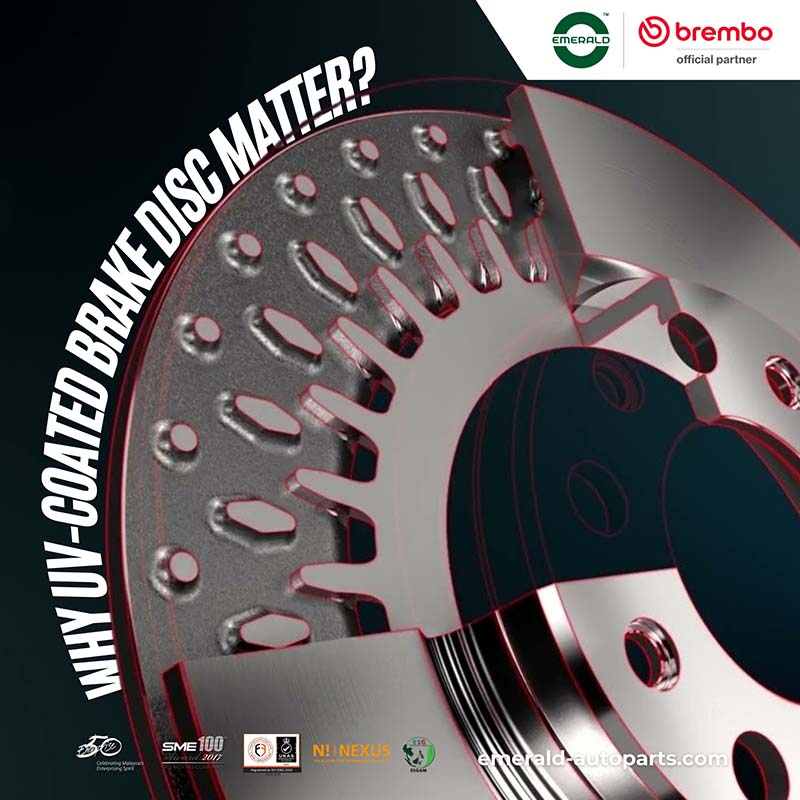
Why UV‑Coated Brake Discs Matter: Beyond Just ‘Looks’
When you think of brake discs, you probably picture a plain metal disc: grey cast iron, a little dull, and maybe — if you live somewhere wet or salty — a thin layer of rust creeping in after a few weeks. But what if I told you that beneath that plain exterior lies a hidden enemy to braking performance — and that a simple coating could dramatically improve safety, longevity, and even style? That’s where UV‑coated brake discs come in.
If you care about your car — especially if it’s a premium, sporty, or performance model — UV coating is one feature you don’t want to ignore. Here’s why.
1. Stronger Protection Against Corrosion and Rust
Brake discs are often made from cast iron — a material that does its job well, but is vulnerable to oxidation. Between rain, humidity, road salt (especially in winter), and everyday moisture, steel and cast iron tend to rust. Over time, this surface corrosion can spread beyond superficial rust spots — affecting braking surfaces, ventilation vanes, and even disc mounting areas. That translates to:
- Reduced braking efficiency (rust can cause uneven friction).
- Increased noise or vibration when braking.
- Shorter lifespan of the disc (more frequent replacements).
- Worse appearance (rusty discs look cheap, especially under alloy wheels).
UV‑coated discs solve much of this by applying a protective layer on the entire disc — hub, venting vanes, outer rim, and non‑friction surfaces. The coating acts as a barrier against moisture, salt, and environmental contaminants. Independent salt‑spray tests and moisture exposure trials show that properly coated discs resist corrosion far longer than uncoated or merely painted ones.
In real-world terms: if you drive in rainy climates, coastal areas, or places where roads get salted — a UV‑coated disc helps your braking system stay clean and reliable, year after year, instead of turning prematurely rusty after a few seasons.
2. Reliable Performance — Even After Months of Idle or Harsh Conditions
One of the sneaky problems with regular discs: if a car sits unused for days or weeks (common for city drivers, weekend cars, or during rainy seasons), rust can start to form. That rust — on vanes or mounting surfaces — might affect airflow, heat dissipation, or mounting tightness, degrading braking performance slightly or causing issues over time.
UV‑coated discs help maintain the “ready‑to-go” status of your braking system all the time. Because the coating protects exposed surfaces, even if you leave the car parked in damp environments, you minimize risk of corrosion. When you finally drive again — especially under heavy braking — the discs behave as intended: consistent, predictable, and safe.
For owners of premium cars, performance sedans, or weekend toys — this reliability can matter a lot. It could be the difference between confident braking on a rainy commute or brake noise and uneven wear because of hidden rust.
3. Easier Maintenance and Cleaner Wheels
Brake dust, dirt, and grime are part of driving. On uncoated discs, particles can cling to rough cast‑iron surfaces and rust can further accelerate dirt accumulation. Coated discs — especially those with UV or similar protective coatings — offer a smoother, sealed surface on non‑friction parts that’s less prone to dust adhesion, rust spots, or corrosion staining.
For drivers who care about the look of their wheels (alloy rims, visible brake discs, clean detailings), this is a real plus. Less brake dust and rust makes cleaning easier, and your wheels stay looking “fresh”—not like a neglected brake job.
Mechanics and workshops also benefit: because coated discs typically arrive “ready‑to‑install” (no need to strip off protective oil or clean surfaces), installation becomes faster and cleaner.
4. Better Heat & Environmental Management — When Brakes Work Hard
Brake discs don’t just sit idle — when you brake heavily (for example, in mountain descents, sporty driving, or emergency stops), they heat up fast. Proper thermal management and ventilation are crucial.
While coating itself is not the main solution to thermal stress, a well‑engineered coated disc ensures that ventilation channels and air‑flow vanes remain rust‑free and functional, even after years. That means the disc can dissipate heat properly, maintain structural integrity, and avoid warping or cracks — all of which contribute to lasting braking performance.
There’s also an environmental angle: some UV‑coated discs (especially those using water-based, solvent-free coatings) are manufactured with lower emissions and reduced energy consumption compared to traditional painted rotors.
5. Aesthetic Appeal — Because Performance Cars Deserve to Look Good Too
Let’s be honest: if you drive a car with alloy wheels or open‑spoke rims, what shows behind the wheels matters. Rusty, chipped, oxidized brake discs ruin the visual impact. A UV‑coated disc — often finished in a dark, clean metallic look — integrates nicely behind wheels, giving your car a clean, premium appearance right down to the brake assembly.
This isn’t just about vanity. A clean disc behind a clean rim communicates maintenance, quality, and care — which can matter for resale value, first impressions, or simply pride in your ride
👉 Visit Emerald Auto Parts (https://emerald-autoparts.com/) or reach out directly:
Shop now: https://shopee.com.my/remsa.os
Whatsapp: +6012-638 9647
Tiktok : 1. www.tiktok.com/@emeraldautopart
Facebook : https://www.facebook.com/EmeraldAPSB/
Instagram : https://www.instagram.com/emerald_auto