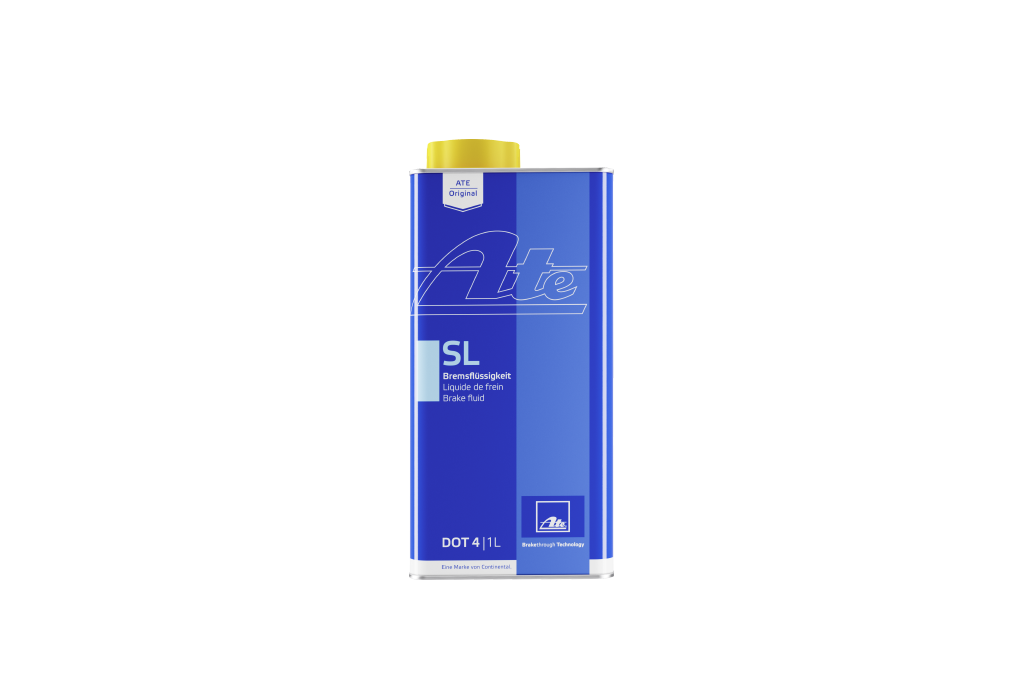
ATE DOT 4 SL — Proven Reliability for Everyday Brake Systems
ATE DOT 4 SL is a long‑established, high‑quality brake fluid engineered for hydraulic brake and clutch systems in passenger vehicles. With excellent thermal stability, corrosion protection, and compatibility with modern sealing materials, it delivers dependable braking performance across a wide range of driving conditions.
- Purpose & Compatibility
Versatile DOT 4 Performance
ATE DOT 4 SL is suitable for:
- Hydraulic brake systems
- Hydraulic clutch systems
- Vehicles requiring DOT 4, FMVSS 116, SAE J1704, or ISO 4925 Class 4 compliance
Its formulation ensures reliable performance in both disc and drum brake systems.
- Thermal Stability & Vapour Lock Resistance
High Boiling Points
- Dry Boiling Point: ≥ 260°C
- Wet Boiling Point: ≥ 165°C
These values exceed DOT 4 requirements, reducing the risk of vapour lock and maintaining consistent braking even under heavy thermal load.
- Chemical Protection & Longevity
Corrosion & Aging Protection
Formulated with polyethylene glycol ethers, boric acid esters, and anti‑corrosion additives, ATE DOT 4 SL:
- Protects internal brake components
- Minimizes fluid aging
- Maintains stable viscosity over time
Shelf Life
Up to 5 years in sealed containers stored between –20°C and +40°C.
- Key Technical Parameters
- Viscosity at –40°C: ≤ 1,400 mm²/s
- Viscosity at +100°C: 2.0–2.6 mm²/s
- Water Content: ≤ 0.20%
- Appearance: Homogeneous, clear, yellow
- Recommended Applications
- Daily‑driven vehicles
- Standard ABS‑equipped cars
- General maintenance and fluid replacement
Why Choose ATE DOT 4 SL?
ATE DOT 4 SL offers proven reliability, strong thermal performance, and excellent corrosion protection—making it a trusted choice for routine brake service and long‑term system health.